Skip links
CONSULTING SERVICES

Water Footprint Consulting

Water footprint calculation allows for the assessment of total water resource consumption and the environmental impacts associated with an organization's processes, products, or services.

What is the water footprint and why measure it?

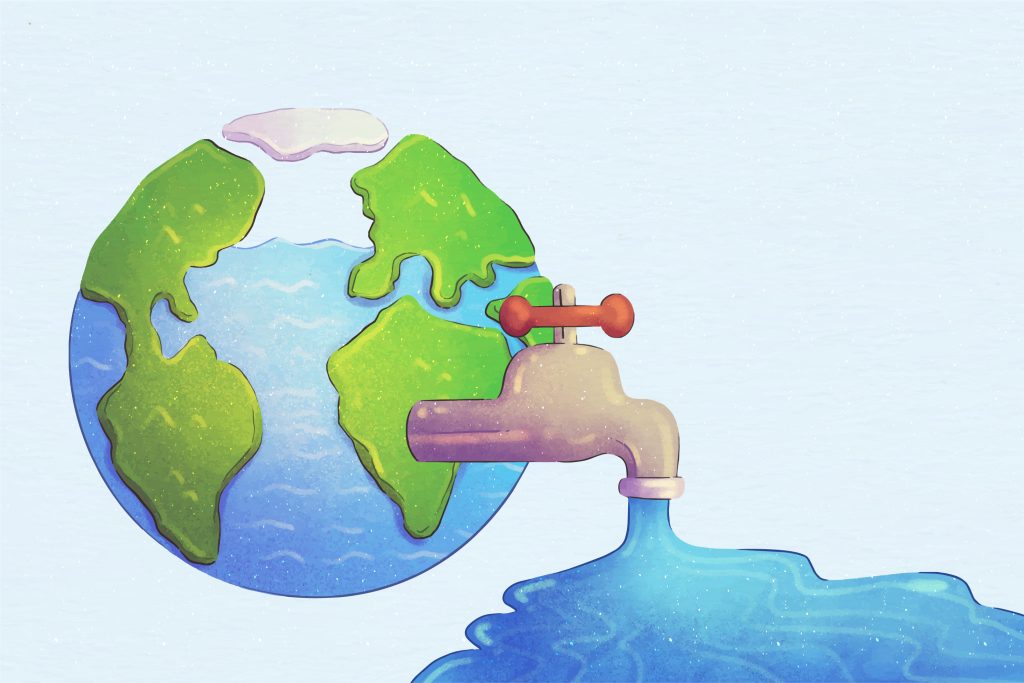
The water footprint or water footprint is a tool that allows organizations and territories to quantify the amount of water required for their activity, both directly and indirectly, and assess how that consumption impacts the environment. This environmental impact not only includes the gross volume of water used, but also takes into account elements such as the prior water stress of the basin, aquifer pollution, or environmental impacts related to aquatic biodiversity, among others.

Methodology: ISO 14046 and Water Footprint Standard

To conduct a solid and scientifically supported water impact assessment, we apply the two most recognized international methodological references:

Based on Life Cycle Assessment (LCA), this standard specifies the principles and requirements for assessing and reporting the water footprint of products, processes, and organizations.

To carry out a rigorous water impact assessment, not only are the volumes consumed measured, but it analyzes the specific environmental impact considering the geographical area where extraction, return, or impact occurs, throughout the entire value chain. It evaluates indicators such as water scarcity, eutrophication, acidification, and aquatic ecotoxicity.

At Solid Forest we use the ISO 14046 standard when an organization from any sector seeks a rigorous environmental profile, third-party verifiable and focused on the qualitative and quantitative degradation of water resources.

The standard developed by Water Footprint Network (WFN) focuses primarily on the volume consumed and, although applicable to any organization and sector, is especially useful in water management of territories and in companies in the agri-food sector. It is an ideal tool for analyzing the global water dependency of raw materials and understanding the total volume appropriated by an activity.

To obtain an accurate diagnosis, three components are evaluated:

  • Blue water footprint: freshwater consumed from surface or groundwater sources (incorporated into the product or evaporated).
  • Green water footprint: rainwater consumed, fundamental in sectors such as agriculture or agri-food.
  • Grey water footprint: water needed to dilute pollution from discharges until they meet environmental quality standards.

Which sectors need to calculate their water footprint?

Water footprint calculation is a priority for industries with intensive direct water use or dependent on agricultural and water-dependent raw materials. These are some of the sectors where this analysis is fundamental:

Agri-food and beverages

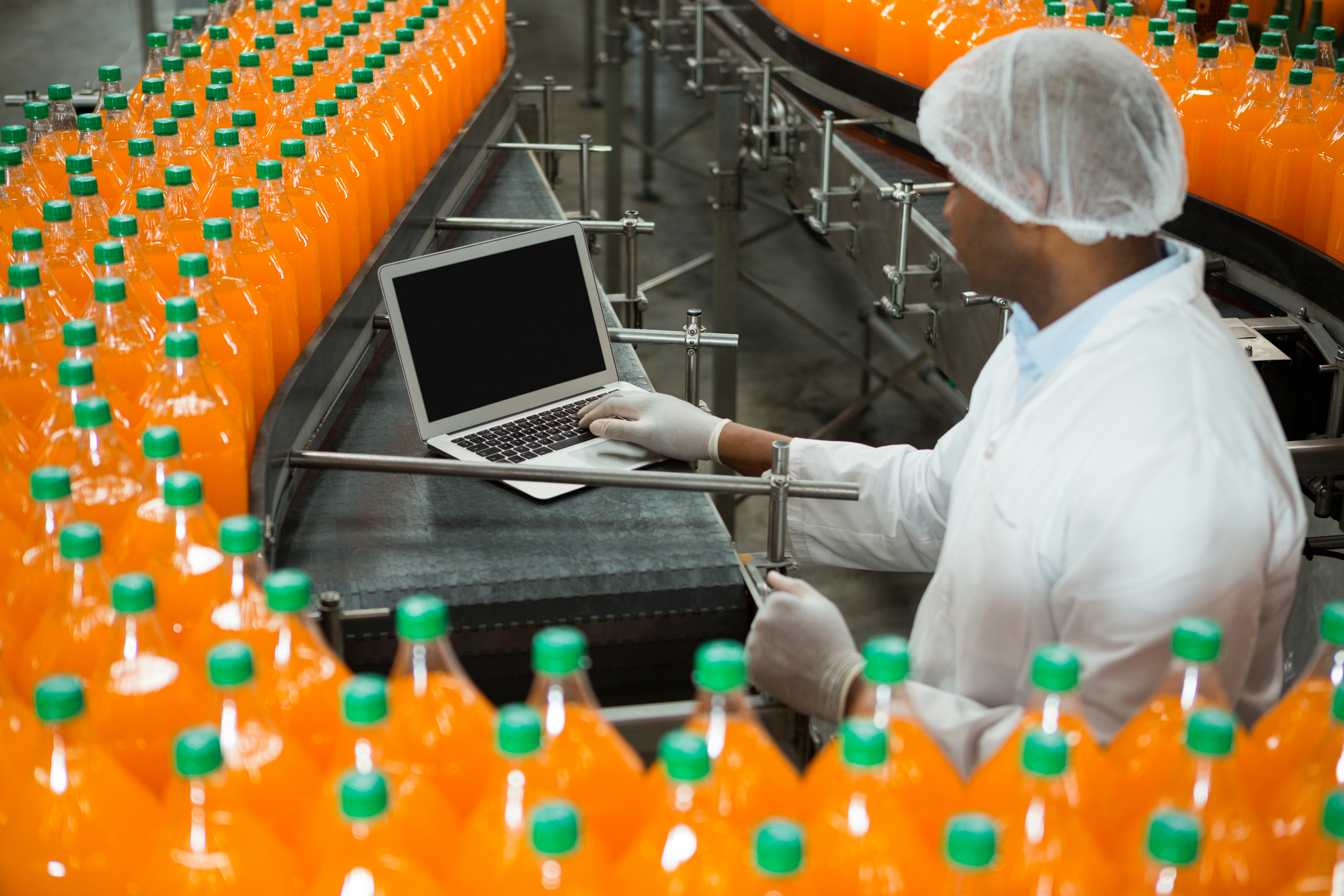
Requires high use of blue and green water. Measuring the water footprint optimizes irrigation and reduces fertilizer pollution (grey footprint) in the supply chain.

Textile and fashion sector

From raw material cultivation to finishing, its water impact is very high. Evaluating this indicator allows for the optimization of consumption and control of the pollutant load of effluents.

Chemical and pharmaceutical industry

In this sector, water footprint calculation focuses on minimizing the grey footprint through efficient treatment and water recirculation processes at the plant.

Construction and materials

The extraction of raw materials and the manufacturing of intensive materials involve significant consumption that must be audited for sustainable building projects.

Energy and Utilities

Power generation and new energy technologies demand large volumes of cooling water. Evaluating availability in the basin is key to ensuring service continuity.

Paper, pulp, and packaging

This industry stands out for its high water consumption at the plant and its forest dependency, making it essential to audit withdrawal and discharge impact to ensure product sustainability.

Working process with Solid Forest

Our team, composed of engineers and environmental consultants, accompanies organizations through a methodology structured in four phases:

We collect and validate data on direct water inputs and outputs at the facilities, as well as indirect consumption throughout the supply chain. This map of withdrawals and discharges is the indispensable first step to obtaining a rigorous water footprint calculation.

We guarantee full traceability of the volumes consumed to ensure that the corporate water footprint analysis faithfully reflects the organization’s operational reality.

We apply advanced databases and geographical characterization to measure local water scarcity, water degradation, and the environmental impacts derived from use.

For this water impact assessment analysis, our software includes a water footprint module within the Air.e LCA Life Cycle Assessment environment. This advanced modeling allows us to transform consumed volumes into real and comparable environmental impact indicators based on the location of each facility.

We analyze the physical, regulatory, and reputational risks associated with water availability in the basins where the company or its suppliers operate. We evaluate the environment’s vulnerability to periods of scarcity and potential regulatory changes regarding discharges and water concessions.

In this way, we provide a preventive vision that allows for the prioritization of strategic investments in geographical areas with the highest water stress.

We define quantifiable objectives and specific technical measures to reduce consumption, reuse effluents, and mitigate detected impacts. We design realistic action plans focused on operational efficiency, zero discharge, and the optimization of water-intensive processes.

Furthermore, as experts in corporate environmental metrics, we also calculate the carbon footprint to offer truly comprehensive sustainability diagnostics.

Request water footprint assessment

Some of our projects

Case studies

Circularity Calculator

We developed a free circularity index calculator for products and organizations for the ACODEA Foundation. This indicator, widely recognized internationally,