Skip links
CONSULTING SERVICES

Carbon Footprint Consulting for Companies

We calculate the carbon footprint of organizations and products with technical rigor to meet regulatory requirements, access public tenders, and define real reduction plans.

We accompany your organization throughout the measurement, verification, and institutional registration process, applying standardized methodologies and over 15 years of experience in decarbonization projects and environmental indicators.

If you are looking for internal autonomy to continuously measure your corporate emissions using cloud software, request a demo of our CCMetrics calculator.

What does carbon footprint calculation include?

Calculating the carbon footprint of companies allows for measuring the total amount of greenhouse gases (GHG) generated by a company’s direct and indirect activities over a specific period.

To prepare an accurate inventory, we analyze and structure your organization’s consumption data across the three scopes defined by international standards.

When calculating the carbon footprint of companies, Scope 1 covers all direct greenhouse gas emissions from sources that are owned by the organization or over which it maintains direct control.

In this phase, we evaluate the consumption of fossil fuels in fixed installations, such as boilers, furnaces, or heating systems. We also account for fuel used by corporate vehicle fleets and fugitive emissions of refrigerants in air conditioning equipment and industrial refrigeration and any GHG emissions from physical and chemical processes in the company.

Scope 2 quantifies indirect emissions derived from the generation of energy that your organization purchases and consumes to carry out its daily activity.

We analyze grid electricity consumption according to your electricity retailer and your renewable energy purchases (GOs), as well as the acquisition of thermal energy, steam, heating, or centralized cooling. The precise attribution of this scope under the ISO 14064 standard allows for measuring the impact of energy efficiency measures, such as contracting green energy or implementing photovoltaic self-consumption.

Scope 3 includes indirect emissions that occur throughout the company’s value chain, both upstream and downstream of production. In most sectors, it constitutes the largest part of organizations’ carbon footprint.

We include aspects such as the extraction and manufacturing of purchased raw materials (whose measurement we align with the ISO 14067 standard for products, using our software Air.e LCA), waste management, business travel, employee commuting, goods transport, and the use or end-of-life of marketed products.

Having the inventory verified across all three scopes is key to obtaining a complete footprint and processing registration in the OECC MITERD Registry.

Regulations we apply

We work with internationally and officially recognized calculation frameworks, which guarantees the legal, commercial, and institutional validity of the results for audits, clients, administrations, and funding rounds.

ISO 14064: International standard that specifies principles and requirements for the quantification and reporting of greenhouse gas emissions and removals at the organizational level.

ISO 14067: Standard focused on the carbon footprint of products and services. It establishes requirements for quantifying GHG emissions throughout the product life cycle.

GHG Protocol: This is the corporate accounting methodology of the Greenhouse Gas Protocol, the most widely used global framework for managing corporate emissions across all industrial sectors.

Work process

At Solid Forest, we design a structured technical consulting process to obtain reliable and verified results without disrupting your team’s work dynamics.

We establish the organizational and operational boundaries necessary to calculate the carbon footprint of your company or its products. We analyze your data in your own format or provide customized templates to collect your activity’s consumption data (energy bills, fuels, materials, and waste management).

We assign updated official emission factors to all collected data, from widely recognized sources such as MITERD, DEFRA, or ECOINVENT. We model the corporate structure to break down the impact by work centers, processes, and scopes, with our tools CCMetrics and Air.e LCA, allowing for a detailed assessment of carbon footprint in organizations.

We draft the official report of the greenhouse gas emissions inventory under the guidelines of the GHG Protocol and the ISO 14064 standard (or ISO 14067 if a product is being evaluated). We detail the methodologies used, sources analyzed, uncertainty, and key results.

We accompany your organization during the independent audit carried out by the certifying entity of your choice, providing the necessary technical support to resolve any observations or methodological clarifications.

We process all required documentation to register the verified inventory in the OECC MITERD Registry (Spanish Office for Climate Change of the Ministry for Ecological Transition and Demographic Challenge), obtaining the official calculation and recognition seal.

Which sectors do we work for?

Our accumulated experience of over 15 years allows us to address the operational complexity of organizations belonging to a wide variety of sectors.

Industrial and chemical sector

Calculation of emissions in production plants for complex processes, substance storage, and control of fugitive emissions in facilities.

Construction and materials

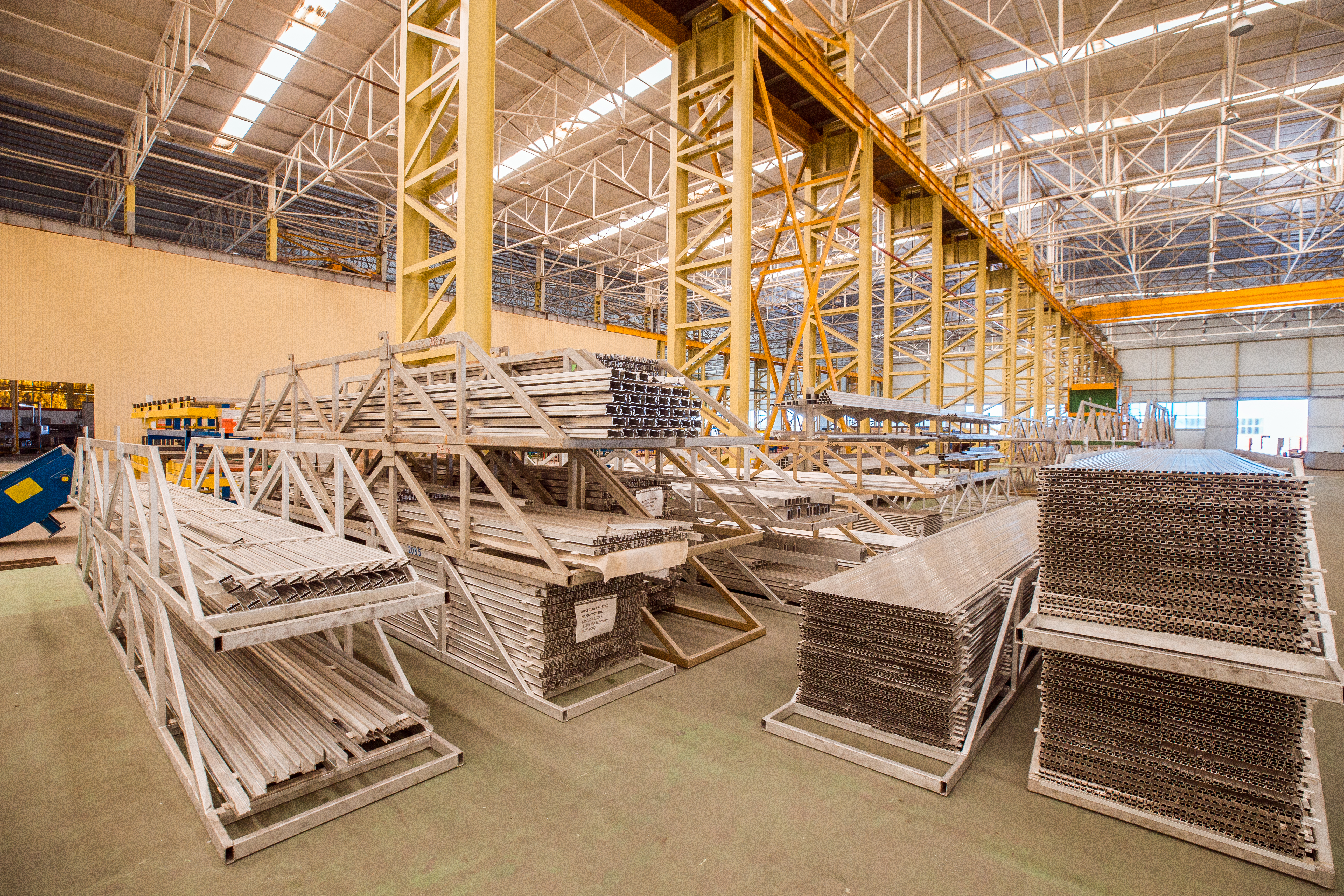
Measurement of corporate footprint in construction and infrastructure, as well as preparation of metrics for public tenders.

Agri-food

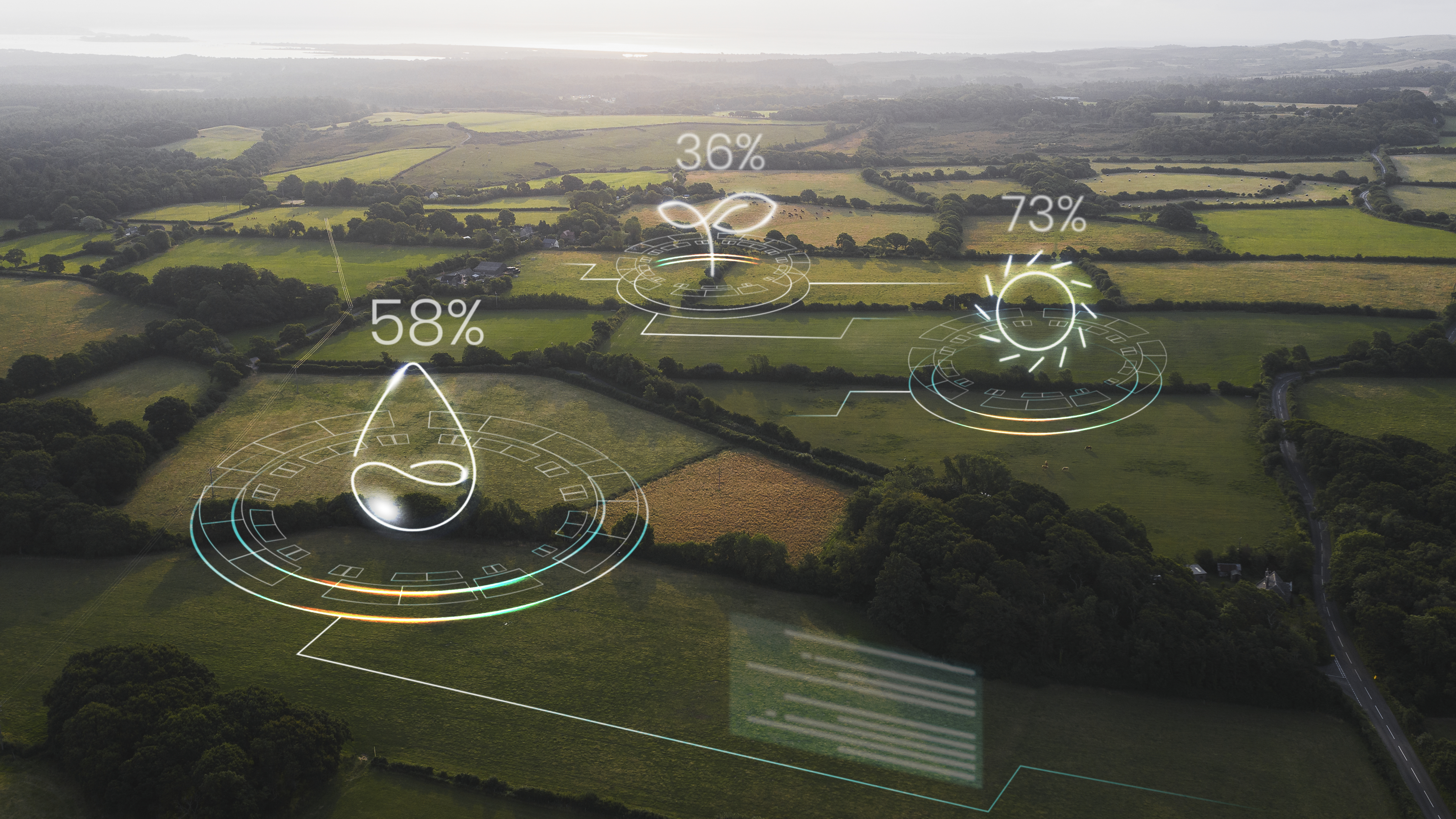
Analysis of the footprint in agricultural supply chains, feed, fertilizers, food processing, packaging, and cold logistics.

Logística y transporte

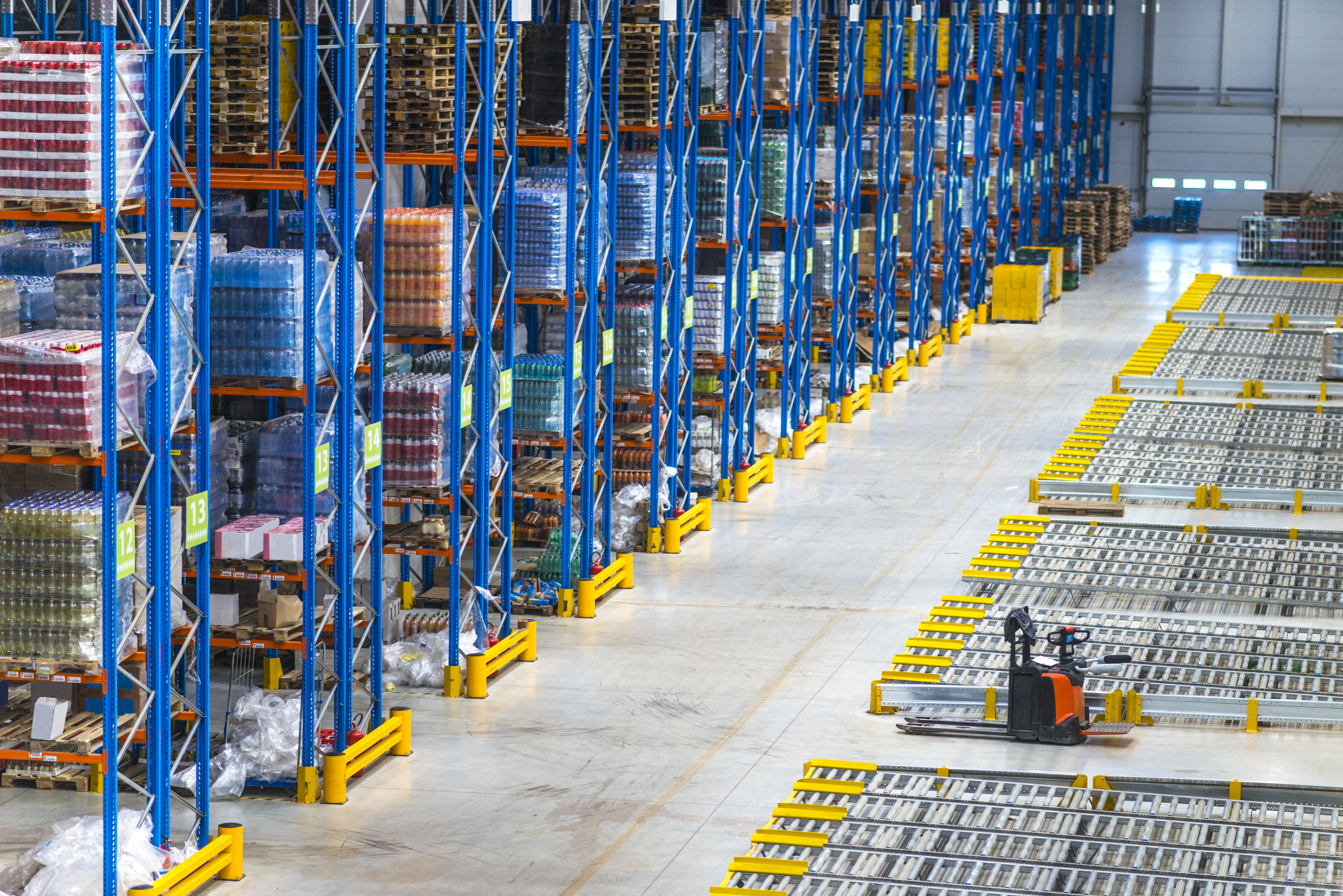
Cuantificación de flotas de distribución, rutas de transporte multimodal y optimización de consumos de combustible.

Servicios y administraciones públicas

Elaboración de inventarios corporativos para sedes administrativas, oficinas, instituciones públicas y empresas del sector farmacéutico o electrónico

Measuring the carbon footprint is just the first step to consolidate your organization’s environmental strategy. If you already have a verified inventory and are looking to define realistic reduction targets, it’s time to take the next step towards Neutrality and Net Zero.

Some of our projects

Agrifood

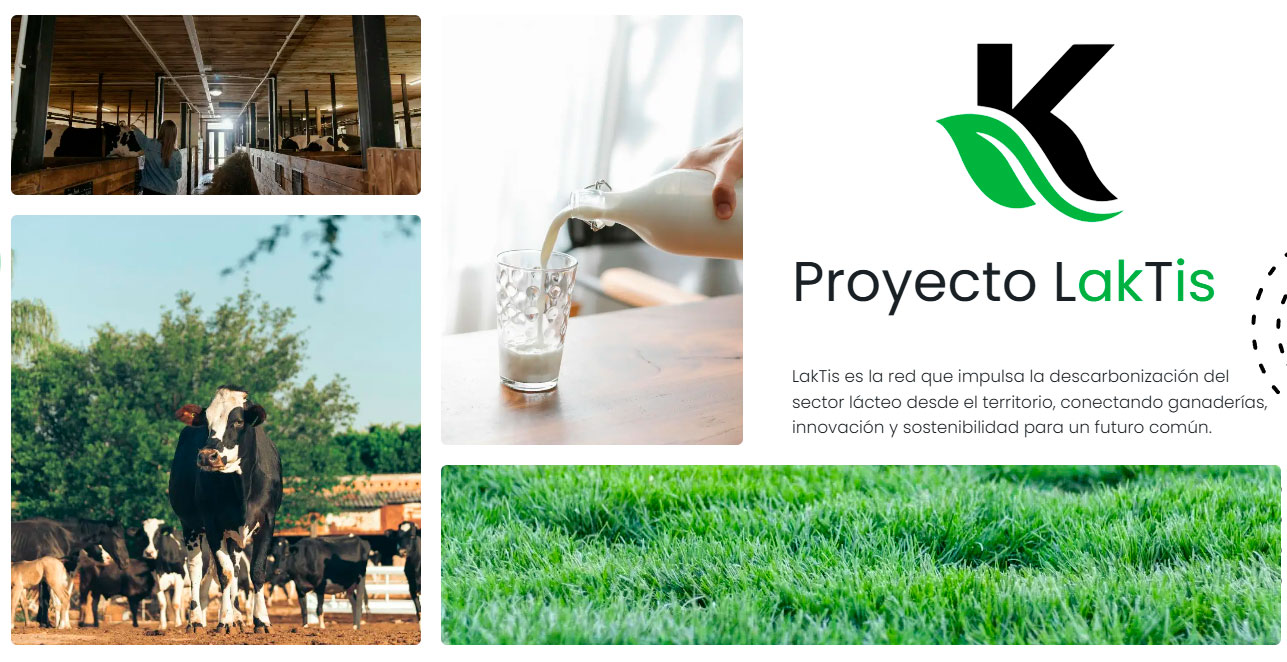
LakTis Project

LakTis is the network that drives the decarbonization of the dairy sector from the territory, connecting farms, innovation and sustainability