LCA in the Age of AI: Computing Power or Methodological Risk?
The challenge of applying Artificial Intelligence to Life Cycle Assessment without losing technical consistency In recent years, Life Cycle Assessment

We help companies develop eco-design and circular economy projects through Life Cycle Assessment (LCA), specialized technical consultancy, and the use of Air.e LCA as professional software to integrate eco-design continuously into their product development processes.
Eco-design is the integration of environmental criteria during the conception and development of a product or service to reduce its impact throughout its entire life cycle, while maintaining its quality and functionality. Implementing eco-design in companies allows for resource optimization, raw material cost reduction, and anticipation of market demands.
This discipline is a strategic pillar driven by the European Union’s Ecodesign for Sustainable Products Regulation (ESPR). Adopting sustainable product design avoids sanctions, ensures presence in demanding supply chains, and provides a competitive advantage over non-adapted competitors.
At Solid Forest, we accompany companies in the definition, execution, and validation of their eco-design projects, combining our technical expertise in environmental consultancy with Air.e LCA, our professional Life Cycle Assessment software, so that internal teams can evaluate alternatives, compare scenarios, and make design decisions with verifiable environmental data.
To redesign a product with technical criteria, it is first essential to measure its real environmental performance. Therefore, LCA is the basis of eco-design, as it allows us to quantify all material and energy inputs and outputs from raw material extraction to final waste treatment.
Through the life cycle study, we avoid the transfer of impacts, ensuring that an improvement in one product phase (such as the use of an alternative material) does not generate a greater environmental problem in another stage (such as a substantial increase in energy consumption during manufacturing or transport).
Once impacts are quantified using the LCA methodology, we analyze the results to identify the so-called “hotspots” or environmental hotspots.
We identify which processes, components, or materials generate the majority of carbon emissions, water footprint, or resource depletion. This analysis allows engineering and design efforts to focus on aspects that have a real and significant margin for improvement, avoiding the investment of resources in superficial changes with little impact.
Once critical points are identified, we propose specific redesign alternatives together with the client’s technical team. These alternatives may include substituting materials with lower-impact options, product dematerialization, packaging optimization, or improving energy efficiency.
To verify if the proposed measures achieve the set objectives, we use advanced digital tools. Our Air.e LCA software is a professional Life Cycle Assessment tool designed to model products, services, and organizations, calculate impacts under recognized methodologies, and quickly compare redesign scenarios. This allows the company not to limit eco-design to a one-off project, but to incorporate a technical tool for continuous work to evaluate materials, processes, suppliers, packaging, or configurations before taking the product to production.
In addition to performing LCA studies as a consultancy service, Solid Forest can implement Air.e LCA in the company as working software for sustainability, R, engineering, purchasing, or design teams. In this way, the knowledge generated during the initial project remains integrated into a corporate tool that facilitates model updates, the creation of new product versions, and the monitoring of environmental improvements over time.
Air.e LCA allows for visual process modeling, working in individual or multi-user environments, maintaining traceability of changes, and calculating results almost instantaneously. This capability is especially useful for comparing eco-design alternatives, justifying decisions to clients or auditors, and preparing environmental information applicable to Environmental Product Declarations, carbon footprint, water footprint, or Digital Product Passport.
The ESPR Regulation progressively introduces the Digital Product Passport (DPP), an accessible registry that gathers structured data on the sustainability, traceability, composition, and recyclability of each product.
At Solid Forest, we help organize the technical information and environmental indicators obtained in the eco-design study to prepare them according to Digital Product Passport standards. In this way, the information generated serves both for internal improvement and to meet transparency requirements for clients, auditors, and regulatory authorities.
Circular economy in companies goes far beyond managing waste when a product reaches the end of its useful life. It involves designing products and processes by thinking from the beginning about how to better use resources, extend their use, and maintain their value for as long as possible.
To this end, we develop and integrate strategies that cover the entire product life cycle:
• Extend useful life through more durable and wear-resistant materials.
• Design products that are easy to repair and disassemble to facilitate maintenance and parts replacement.
• Incorporate recycled, recyclable, or renewably sourced materials managed sustainably.
• Recover components at the end of their useful life to reintroduce them into the production process.
Measuring these indicators with standardized methodologies allows for demonstrating circularity with verifiable data and backing environmental improvements before third parties, avoiding generic or hard-to-justify claims.
We apply eco-design and circular economy criteria in various industrial and service sectors, adapting each project to its technical, regulatory, and operational requirements.
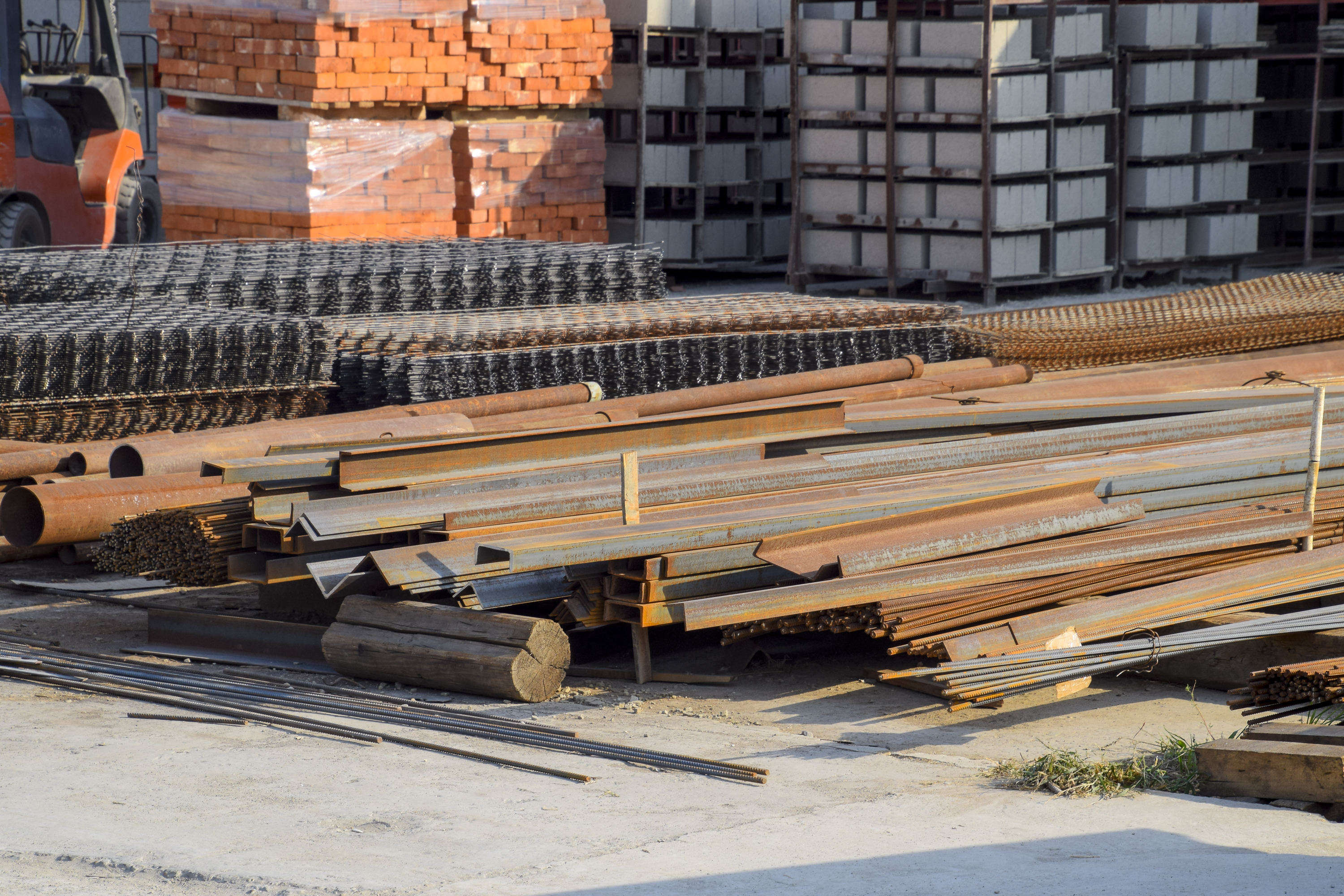
We optimize the environmental performance of products to facilitate the preparation of Environmental Product Declarations and compliance with sustainable building standards.
We analyze options to reduce packaging weight, evaluate bioplastics, study their compostability, and improve the distribution cycle.
We work on substituting higher-impact reagents and optimizing formulations to reduce the environmental footprint of processes.
We evaluate product durability, select lower-impact fibers, and apply design criteria that facilitate recycling.
We optimize the use of raw materials, seek to extend the useful life of mechanical components, and facilitate disassembly to improve recycling at the end of their useful life.
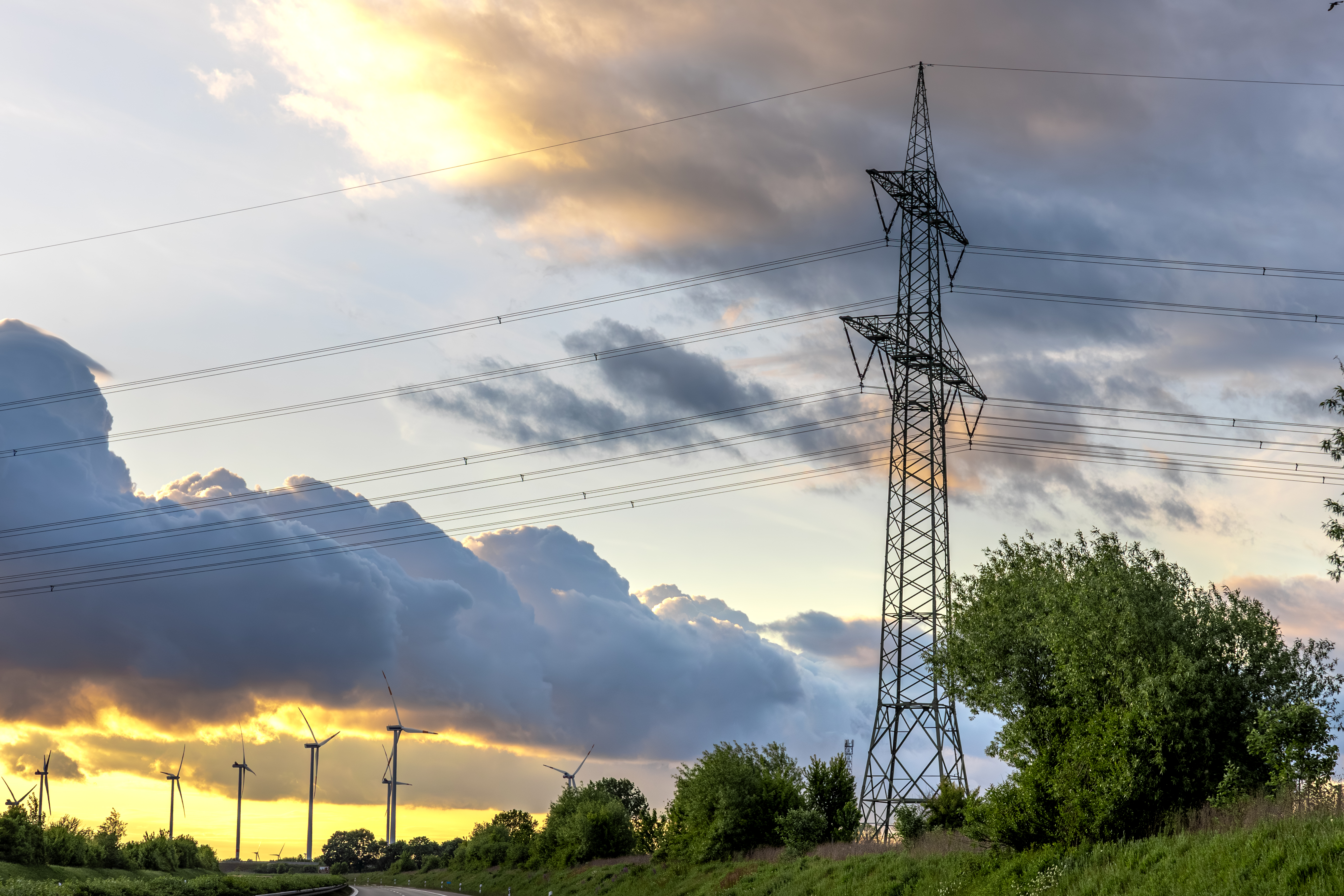
We apply eco-design criteria to generation, distribution, and energy storage equipment, with the aim of reducing the use of critical resources and emissions associated with their life cycle.
The challenge of applying Artificial Intelligence to Life Cycle Assessment without losing technical consistency In recent years, Life Cycle Assessment
Air.e LCA v3.21: Ecoinvent 3.12 Integration and New Advanced Features Air.e LCA version 3.21 is now available, an update that
The LCA tool from Trouw Nutrition and Solid Forest to assess the environmental footprint of feed and farms. Rigorous management
Adding {{itemName}} to cart
Added {{itemName}} to cart